
Hakuba Resort Guide
Insider tips from our team
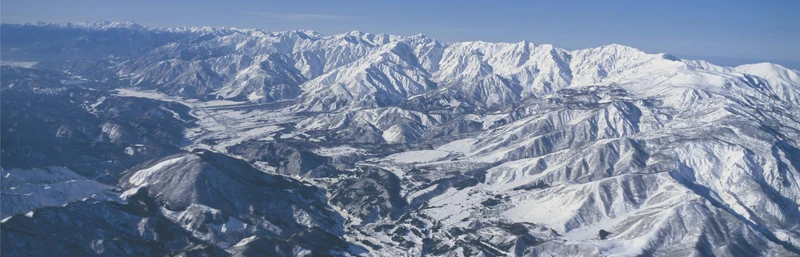
Nestled in the soaring peaks of the Japanese Alps and just a sleek bullet train ride from the neon energy of Tokyo, Hakuba is one of Japan's most impressive ski resorts, with 10 resorts on offer. We’ve drawn on genuine first-hand insights, expert recommendations, and practical advice for our Hakuba Resort Guide.
Hakuba's legendary valley links 10 distinct resorts on a single lift pass, seamlessly connected by shuttle or short drive, giving skiers effortless access to an extraordinary variety of terrain. Framed by dramatic mountain backdrops and blessed with 11 metres of world-class 'Japow' on average each year, Hakuba delivers everything from gentle groomers to thrilling alpine challenges across several resorts, each offering its own unique character.
Wondering how Hakuba compares to Niseko? Read our blog: Niseko vs Hakuba: Which is the Resort for Me?
Where to ski in Hakuba
From steep, tree-lined powder runs to wide, cruisy pistes for beginners, Hakuba offers something for everyone. Plus, with all resorts included in one lift pass, you have the flexibility and freedom to explore all 10 resorts to find what suits your preferences best.
People often ask "can you ski all 10 resorts in one holiday?" The short answer: yes. But in practice, most skiers end up favouring a handful.
Who are Hakuba's 10 resorts best for?
Happo-One
Happo-One (pronounced “Happo On-ay”) hosted events during the 1998 Winter Olympics and is the largest of the resorts in the valley. It has an excellent mix of terrain, making it ideal for intermediates and advanced skiers, while also serving as the base for many ski school lessons.
Most visitors spend a good portion of their trip here, using it as a central hub before branching out to explore other resorts via shuttle bus.

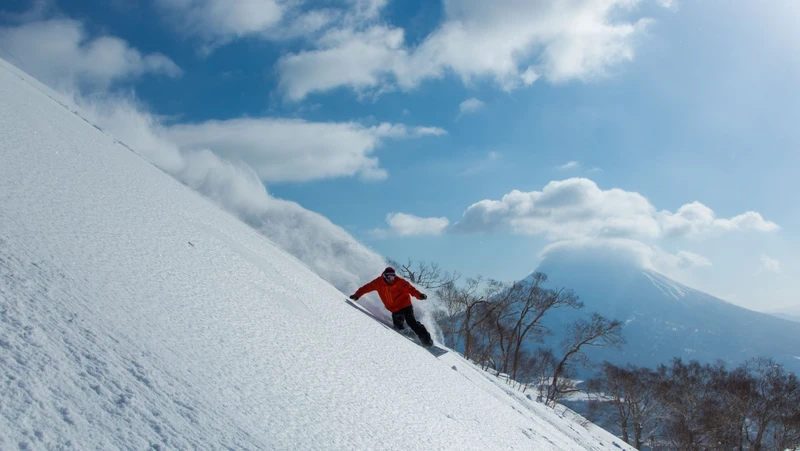
Japan Product Manager Andy Knights says, "Skiers and snowboarders love the mixed ability terrain that ranges from gentle beginner slopes to steeper terrain that includes awesome tree skiing, as well as the amazing off-piste. As a boarder, I love tackling a fresh dump of "Japow" in Happo-One - this really is a resort that comes into its own on powder days!"
Hakuba Iwatake
Known for its panoramic mountain views and superb tree skiing, Iwatake (ee-wah-tah-keh) is a favourite on powder days. When conditions are at their best, this resort offers beautifully spaced trees and plenty of untracked lines to explore.
Tsugaike Mountain Resort
Tsugaike (soo-guy-keh) is renowned for its wide, mellow pistes, making it particularly appealing to beginners and intermediate skiers. However, stronger skiers shouldn’t overlook it. With a qualified guide, Tsugaike provides access to some of the valley’s most rewarding backcountry terrain.
Hakuba 47 & Goryu
These two interconnected resorts can easily be skied in a single day and are just a short shuttle ride from Happo-One. Together, they offer some of the best all-round skiing in the valley.
Goryu (goh-ryoo) is known for its long, immaculately groomed cruisers that descend from a high plateau through scenic, tree-lined runs. Hakuba 47 complements this with varied terrain, a well-regarded terrain park and a superpipe. For intermediates looking to build confidence while enjoying world-class snow, this area is a top recommendation from our team.

Sales Consultant Andy Evans lived in Japan for five years. He says, “My top tip for intermediate skiers is the Goryu/Hakuba 47 area, which offers long, cruisy runs that start on a high plateau and wind down through the trees into the valley. The world-class snow conditions and incredible views of the Japan Alps are guaranteed to boost confidence and put a huge smile on your face!”
Hakuba Cortina
At the northern end of the valley lies Cortina, widely regarded as the go-to destination on a powder day. It receives some of the highest snowfall in Hakuba and is famous for its steep tree skiing and off-piste terrain. Strong skiers who enjoy deep snow and natural features will feel very much at home here.

Product Manager Andy Hemingway says, "Cortina really stood out for me in terms of terrain. It’s essentially framed by two ridgelines that dominate the area, giving it a wonderfully consistent pitch from top to bottom, with beautifully spaced trees that make skiing there an absolute joy!"
Andy Knights favours Cortina on powder days. He says, "From the base, there are two lifts accessing the horseshoe shaped ridgeline, which then allows you to ski either side of a central gulley via some serious steep and deep terrain ( a couple are 40 degrees +) right back to the resort base, and repeat. It doesn’t look like much on the trail map, but on a powder day, this is where it’s at!"
Norikura Onsen
Connected to Cortina, Norikura (no-ree-koo-rah) is quieter and more mellow, offering a gentler introduction to powder skiing. It’s an excellent option for intermediates looking to explore softer snow without committing to Cortina’s steeper terrain.
Sanosaka, Jigatake and Kashimayari
These three smaller resorts are often overlooked but can be ideal for families and intermediates seeking quiet, confidence-building slopes away from busier hubs. They provide a relaxed atmosphere and are particularly good for steady progression.
When is the best time to ski in Hakuba for powder and good snow conditions?
Snowfall typically begins building a solid base in December, before heavier and more consistent snowfall arrives in January and February. These two months represent Hakuba’s peak powder season, with generally reliable conditions and frequent refreshes.
Because of this, early booking is strongly advised for January and February departures. Visitors may also wish to be mindful of the Chinese New Year (usually between late January and mid-February), when resorts and accommodation can be busier. If you're still looking for festivities, the Happo Fire Festival, held just before Chinese New Year, features a mesmerising fireworks display as a backdrop to the ski slopes.
Spring in Hakuba
March and April are superb alternatives to January and February. Snow cover is exceptional and reliable, with the added bonus of milder temperatures, sunnier days and often better value accommodation. Late March and early April bring classic spring skiing conditions - fewer crowds, softer snow and longer days, plus warmer temperatures (so fewer layers needed!).
This period also coincides with Japan’s cherry blossom season at lower elevations, adding a unique cultural dimension to a ski trip.
How does the snowfall compare to Niseko?
Niseko averages slightly higher annual snowfall (often 12 metres or more) and Hakuba sits comfortably at an approximate 10-11 metres per season.


What sets Hakuba apart is its terrain variety. Steep alpine faces, lift-accessed tree skiing and accessible backcountry combine with expansive groomers and Olympic heritage runs. For skiers who value diversity and dramatic mountain scenery alongside reliable powder, Hakuba is a compelling alternative - and on the right day, its tree skiing is the best in the world, rivalling the very best in North America.
Where to stay in Hakuba
When choosing where to stay in Hakuba, the three main areas to consider are Happo, Wadano and Echoland.
Happo - the majority of visitors will stay in Happo-One, the main hub for accommodation, with options ranging from comfortable hotels and self-catered apartments to stylish chalets suited to couples, families and groups. As a proper mountain town, Happo offers a genuine atmosphere and an excellent range of restaurants, cafés, bars and shops. Plus, a real advantage is Happo's proximity to the bus terminal, where airport transfers arrive and depart, making logistics simple and stress-free.

A popular choice for Ski Safari customers is the The Happo Hotel Centrally located, vibrant, live music, breakfast and steps from the slopes. For something a little different, why not try the great value Phoenix Hotel, a short walk from Happo-One. The Western Japanese rooms are the perfect blend of tradition and comfort with breakfast included.
Wadano - just a short distance from Happo village lies Wadano, a more tranquil enclave at the base of the Sakka slopes. Wadano is home to some of Hakuba’s most desirable accommodation, including luxury slopeside chalets, high-end apartments and boutique hotels. The setting is peaceful and surrounded by forest, yet still close enough to Happo’s restaurants and amenities.
The multi bedroom self-catering Roka Luxury Apartments offer mesmerising views of the Sakka Slopes, mere feet from the heart of the Wadano area. All of our Wadano properties are serviced by a complimentary shuttle operated by the local hotel management group, ensuring easy access to lifts and village facilities.

Echoland - Echoland has a lively dining and bar scene and is popular with younger travellers. However, it is located further from the main ski lifts, meaning daily transport is required to reach the slopes. While it offers good nightlife options, we generally find that accommodation in Happo and Wadano provides better overall convenience and easier access to skiing.
Our top tip:
Hakuba’s popularity continues to grow, particularly during peak powder season in January and February. Our advice is simple: book as early as possible. The earlier you secure your accommodation, the greater your choice of property, location and room type. We’re always happy to help you find the option that best suits you!
Eat and drink
Hakuba’s food scene is a real highlight for first-time visitors. The variety and quality of dining in resort is exceptional, with everything from traditional eateries to international restaurants and lively après spots.
Japanese cuisine is, of course, the highlight! You’ll find cosy local izakayas serving tapas-style small plates, steaming bowls of ramen, fresh tempura and beautifully prepared sashimi. For sushi, our top pick in the valley is Kikyo-ya - widely regarded as the best in town for fresh fish and authentic flavours.

Beyond Japanese food, Hakuba offers an impressive international mix. There are French and Chinese restaurants, Indian cuisine, and even a few English-style pubs if you’re craving something familiar after a long ski day. The dining scene strikes a great balance between traditional and contemporary, casual and refined.
Breakfast
If your accommodation does not include breakfast, why not try out the Café Cubanos Hakuba, located next to the Happo-One Gondola station, for breakfast sandwiches, wraps, pastries and plenty of lunch items too.
If staying in Wadano, the wholesome ‘Hole’ Breakfast, served up by the Rabbit Hole, offers superb coffee and breakfast choices. We also stop here for lunch and dinner too.

If you are staying near the Happo Bus terminal, then Lion Café is a staple to get you fuelled up for a day on the slopes.
Lunch
For a Japanese ski lunch, the Ramen ChaCha, found at the Usagidaira Terrace on Happo-One, is one of our team's favourite spots. Expect hearty and great value Katsu curry and steaming, delicious ramen bowls.

If you are skiing Hauba47 for the day and are in need of a proper refuel, then we recommend Restaurant Carol! Here you'll discover tasty Japanese meals, including ramen bowls, Katsu curries, rice bowls, plus plenty of European favourites such as pizza, burgers and pasta.
For a lighter bite, Cafe47 is a hotspot for bagels, wraps and hot and cold beverages.
Do I need restaurant reservations?
During peak powder season, particularly January and February, some of the most popular restaurants book out quickly. We strongly recommend pre-booking a few key evenings in advance to avoid disappointment.
To make things easier, we provide our own curated dining guide with every booking, highlighting our favourite spots and helping you plan ahead.
Off the slopes
While Hakuba is world-famous for its skiing, there’s plenty to enjoy away from the pistes too. Beyond cultural sightseeing, Hakuba offers a range of winter activities including snowshoe tours, snowmobiling and cross-country skiing. These are ideal for rest days or for anyone in your group who may not wish to ski every day.
Jigokudani Monkey Park
One of the most popular excursions is a visit to Jigokudani Monkey Park, home to Japan’s iconic, wild snow monkeys. Watching these wild monkeys bathe in natural hot springs - seemingly unbothered by visitors - is a uniquely Japanese and genuinely unforgettable experience. It’s heartwarming, slightly surreal and often a highlight of your trip for non-skiers and skiers alike.

The guided day excursion (priced at £100 per person) includes return transport, lunch and commentary. The tour also visits the charming historic town of Obuse, known for its chestnuts and traditional sweets, as well as Zenko-ji, a 7th-century temple and important cultural landmark.
Onsens
Hakuba is dotted with traditional Japanese onsens (natural hot spring baths), and they are wonderfully easy to access. Many hotels have their own private or communal baths, and there are also public bathhouses throughout the village.
Soaking in a steaming outdoor rotenburo (open-air bath) while snow gently falls around you is a quintessential Japanese ski experience. Relaxed muscles, crisp mountain air and complete tranquillity - it’s the perfect way to unwind after a day on the mountain.
If your hotel does not have one then head to Hakuba Happo Onsen Mimizuku-no-yu. This publicly available onsen costs around £4 per person, just a 15-minute walk from central Happ-One. While you sit back and soak in warm thermal waters, enjoy breath-taking views of the Japanese Alps. For an extra treat, grab an ice-cream or a hot chocolate from the vending machine before strolling back into town.
Ski safaris and city add-ons
For most of our guests, Hakuba is just one part of a wider Japanese adventure. In fact, around 85% of our Japan bookings include at least one city stay, with many incorporating two or three destinations. Almost all of our customers who head to Hakuba include a city add-on in a major city, including Tokyo.
Thanks to Japan’s superb rail network, including the high-speed Shinkansen bullet trains, travelling between cities is fast, efficient and comfortable.

Combine your winter holiday with a city break in Tokyo as part of our Hakuba Valley Ski Safari, or enjoy more skiing in nearby Nozawa Onsen as part of our Nagano Ski Safari. Whether you’d like to combine Hakuba with the bright lights of Tokyo, the temples and traditions of Kyoto, or something a little more off the beaten path, we can tailor a Ski & City Safari to suit your interests.

If you’re unsure which cities would complement your ski trip best, just ask. Between us, our team has travelled extensively throughout Japan - including many hidden gems beyond the usual highlights - and we’re always happy to create a bespoke itinerary.
How do you travel around Japan with ski bags?
Japan has a fantastic luggage delivery system that makes multi-city travel smooth and stress-free.
A couple of days before you check out, notify your hotel that you want your ski or snowboard bags sent to your final destination. The staff will handle the paperwork, and your bags will travel ahead for you. That means you can explore cities, cultural sites, and traditional experiences completely hands-free - and then collect your gear when you check in at your last hotel.
It’s incredibly convenient and great value too, usually costing around £30.
Our top tip: If you’re travelling with skis or a snowboard, let us know in advance. We can pre-book the luggage service for the Shinkansen (bullet trains), which is essential during busy periods since these services are very popular.
Maps
Resort Map
Trail map

Resort Stats
Season
Nearest airport
Flight time
Direct flight
Transfer time
Transport
Resorts
Elevation
Vertical drop
Avg snowfall
Ski area
Ski lifts
Grade
40% intermediate
30% beginner
Insider Tips
See our latest Hakuba Resort Guide blog posts.

Interested?
Let’s start crafting your perfect tailor-made ski holiday
Every holiday is tailor-made, just for you. Our ski specialists will look at your enquiry and will be in touch within a day or two. We promise it's worth the wait!